When it comes to protecting your home from water damage, choosing the right sump pump is crucial. If you live in an area prone to flooding or have a basement that collects water, understanding how to choose the right sump pump for your basement can save you time, money, and heartache down the road. In this guide, we’ll walk through key considerations when selecting a sump pump, ensuring you make an informed decision.
Understanding Sump Pumps: What You Need to Know
A sump pump is a vital device installed in basements or crawl spaces to prevent flooding. It works by detecting excess water and pumping it away from your home. There are various types of pumps available in the market today, including submersible sump pumps and pedestal sump pumps.
- Submersible sump pumps operate underwater within a sump basin and are typically quieter compared to their pedestal counterparts. Pedestal sump pumps, on the other hand, sit above the sump pit with a long pipe leading down into the basin.
Key Components of a Sump Pump System
To get started with your sump pump configuration, it's essential to understand its components:
Sump Basin: The container that holds the pump and collects water. Pump Check Valve: A mechanism that prevents backflow once water is pumped out. Discharge Pipe: Directs the discharged water away from your home. Float Switch: This component triggers the pump to activate when water levels rise.If you're considering putting in a sump pump, ensure you familiarize yourself with these components as they play crucial roles in performance and efficiency.
Choosing the Right Type of Sump Pump
Selecting the right type of sump pump goes beyond just brand names; it’s about finding one that fits your specific needs.
Assessing Your Basement's Water Needs
Before making any purchases, consider evaluating your basement’s water situation:
- Is there frequent flooding? Do you experience heavy rainfall? Are there signs of moisture or mold?
This assessment will help determine whether you need a standard pump or something more https://writeablog.net/audianmcgd/how-to-avoid-costly-repairs-with-regular-sump-pump-maintenance robust like a battery backup sump pump for use during power outages.
Horsepower Matters: What Do You Need?
Sump pumps come in various horsepower ratings ranging from 1/3 HP up to 1 HP or more. The power level required often depends on:
- The volume of water expected The height the water needs to be pumped (head height)
For instance, if your basement floods frequently with heavy rainfalls, opting for a higher horsepower rating will ensure efficiency and reliability.
Battery Backup Systems: Why They Matter
Power outages often accompany severe weather conditions when you need your sump pump most. A backup sump pump equipped with battery backup can provide peace of mind during emergencies.
Types of Battery Backup Options
Water-Powered Backup Systems: Utilize municipal water pressure to operate without electricity. Battery Backup Systems: Rechargeable batteries that kick in when primary power fails.Having such systems can significantly enhance your flood protection strategy by ensuring continuous operation even when conventional power sources fail.
Installation Considerations for Your Sump Pump
Once you've chosen your ideal system, installation becomes paramount. Proper installation ensures maximum performance and longevity for your new system.
DIY vs Professional Installation
While some homeowners may opt for a DIY approach—especially if they’re confident handymen—it's often recommended to hire professionals unless you're experienced with plumbing installations. This is where companies like Plumbing Supply And More shine as they offer products that are not only high-quality but also come with professional installation guidance if needed.
Setting Up Your Sump Pump Correctly
When installing:
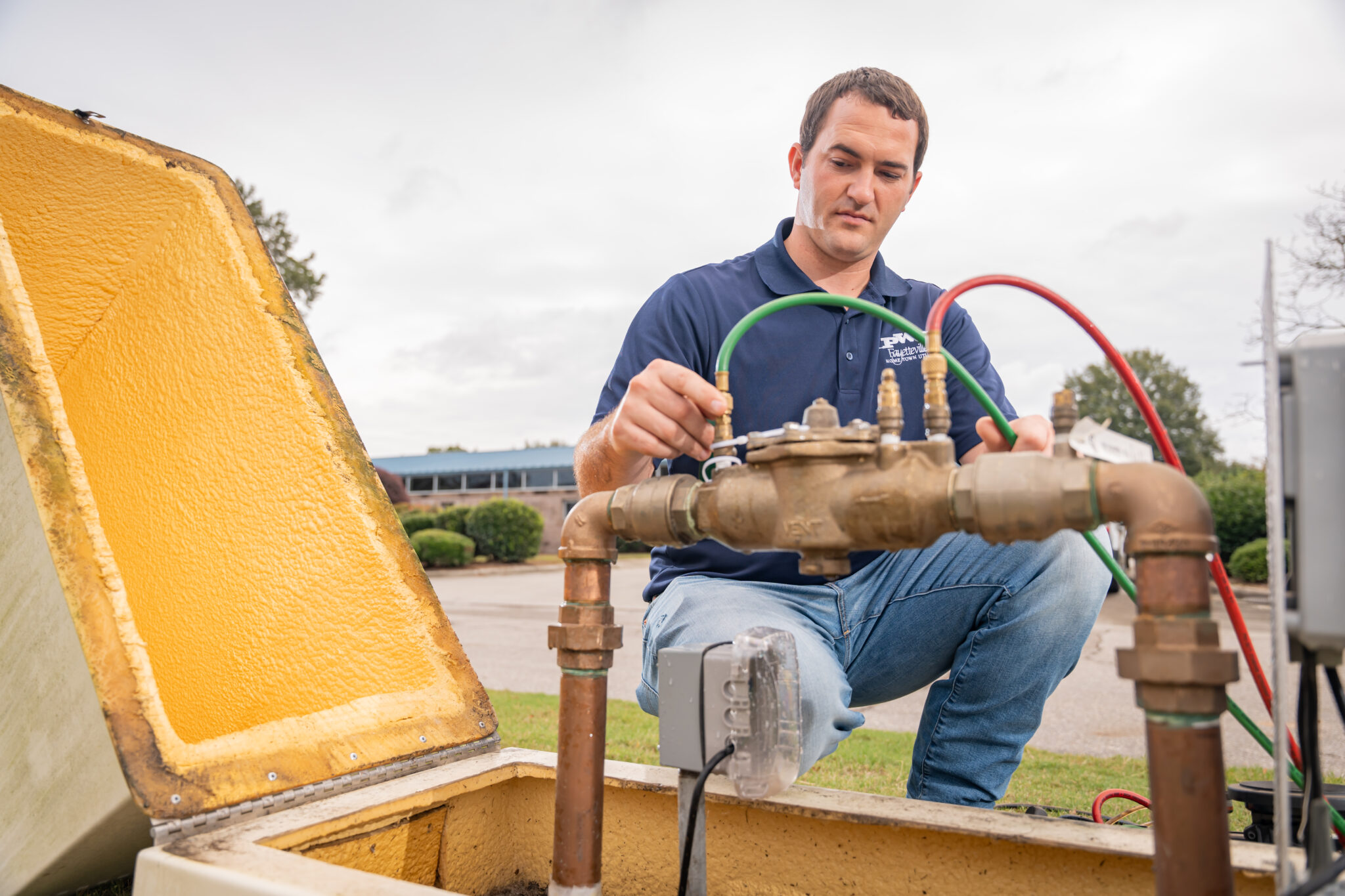
- Ensure that it’s placed at the lowest point of your basement. The discharge line should direct water away from the foundation. Make sure all electrical connections are properly grounded and protected by GFCI outlets to avoid electrocution risks.
Maintaining Your Sump Pump for Optimal Performance
Regular maintenance can greatly extend the life of your sump pump while ensuring it operates effectively when needed most.
Routine Maintenance Tips
Check and clean the inlet screen regularly. Test float switches monthly by pouring water into the basin. Inspect check valves for proper functioning. Ensure that discharge pipes remain clear and unobstructed.By following these tips, you’ll minimize issues like clogs or failures during critical times—keeping floodwaters at bay effectively!
FAQs About Choosing Sump Pumps
Q1: How long do sump pumps last? A: On average, a well-maintained sump pump can last between 5 to 10 years depending on usage and maintenance practices.

Q2: Do I really need a check valve? A: Yes! A check valve prevents backflow into the basin once water is pumped out which is crucial for maintaining efficient operation.
Q3: What size sump pump do I need? A: The size largely depends on factors such as head height needed and gallons per minute (GPM) required based on how quickly you expect drainage during heavy rainfall situations.
Conclusion
Choosing the right sump pump doesn't have to be daunting if you're armed with knowledge about different types and features available today. By considering factors such as horsepower needs, battery backups, maintenance practices—and seeking guidance from experts like those at Plumbing Supply And More—you'll find yourself well-equipped against potential flooding disasters! Whether you're staring down heavy rain forecasts or simply aiming for peace of mind regarding basement moisture control, making an informed choice now will pay dividends later on down that rainy road!